

Robotic Hernia Surgery in Austin
Hernia Repair
Capital Surgeons Group physicians are highly experienced surgeons providing robotic hernia surgery in Austin, as well as laparoscopic and open hernia repair. These advanced techniques allow surgeons to perform secure and effective repairs for many types of hernias while supporting faster recovery.
Capital Surgeons Group excels in repairing various hernia types, including:
- Inguinal hernias (located in the groin)
- Ventral hernias (present in the abdominal wall)
- Incisional hernias (arising at surgical incision sites)
- Umbilical hernias (occurring at the navel)
- Hiatal hernias (found at the esophagus)
What Is Robotic Hernia Surgery?
Robotic hernia surgery is a minimally invasive surgical technique that uses robotic-assisted instruments to repair hernias through small incisions. The robotic system allows surgeons to operate with enhanced precision, improved visualization, and greater control, often resulting in less postoperative pain and faster recovery.
What Is a Hernia?
A hernia occurs when an internal organ or tissue pushes through a weakened area in the surrounding muscle or connective tissue. Hernias most commonly develop in the abdominal wall and may cause pain, swelling, or a visible bulge. When symptoms become persistent or complications develop, surgical repair may be recommended.
Symptoms of a Hernia
Possible symptoms may include:
- a visible bulge in the abdomen or groin
- pain or discomfort when lifting or coughing
- pressure or weakness in the abdomen
- burning or aching sensation near the bulge
- worsening discomfort during physical activity
When Is Hernia Surgery Recommended?
Hernia surgery may be recommended when a hernia causes persistent symptoms or complications. Surgical repair is commonly advised when patients experience:
- ongoing pain or discomfort
- a growing bulge in the abdomen or groin
- digestive problems related to the hernia
- risk of tissue becoming trapped or strangulated
Minimally invasive surgical techniques such as laparoscopic and robotic hernia repair allow surgeons to repair the weakened area of the abdominal wall while reducing recovery time and postoperative discomfort.
Capital Surgeons Group Hernia Surgical Procedures
Capital Surgeons Group offers a variety of hernia repair procedures, tailored to your specific needs and preferences. These include:
- da Vinci Robotic Hernia Surgery: This minimally invasive procedure utilizes a robotic-assisted system for enhanced precision and control, leading to faster recovery times and less pain.
- Laparoscopic Hernia Repair: This minimally invasive procedure involves small incisions and specialized laparoscopic instruments to repair the hernia while minimizing tissue disruption.
- Open Hernia Repair: This traditional approach may be necessary for complex or large hernias.
Benefits of Robotic Hernia Surgery
Robotic hernia surgery is an advanced minimally invasive technique that allows surgeons to perform hernia repair with enhanced precision and control. Using a robotic-assisted surgical system, surgeons can operate through small incisions while viewing the surgical area in high-definition 3D.
Benefits of robotic hernia surgery may include:
- smaller incisions and reduced tissue disruption
- improved surgical precision
- less postoperative pain
- shorter recovery time
- faster return to normal activities
Robotic technology helps surgeons perform complex hernia repairs while minimizing surgical trauma.
If you are experiencing symptoms of a hernia, contact Capital Surgeons Group today to schedule a consultation with one of our experienced surgeons. We are dedicated to providing the highest quality care and ensuring your optimal recovery.
Robotic Hernia Surgery: What You Need to Know
Ventral Hernia Treatment and
Surgical Options
Learn about ventral hernias, including their causes, symptoms, and treatment options. Discover the different types of hernia repair procedures and how to recover from surgery. [...]
Inguinal Hernia Treatment
Inguinal hernia, a common medical condition that can cause discomfort, pain, and other complications. Learn more about the causes, symptoms, and treatment options for inguinal hernia. [...]
Overcoming GERD
and Hiatal Hernia
Capital Surgeons Group specializes in the treatment of GERD, including minimally invasive surgery for hiatal hernia repair and the LINX procedure. Learn more about GERD surgery and its benefits for patients with chronic GERD symptoms. [...]
Specialized, Expert Surgical Care
Our experienced surgeons are committed to providing patients with the highest quality surgical care, including minimally invasive laparoscopic and robotic hernia repair. If you are experiencing symptoms related to a hernia, contact us today to schedule a consultation and learn more about your treatment options.
If you have questions about hernia symptoms or hernia surgery, call our office for information or to schedule an appointment. Our hernia patients come to us from Austin, Kyle, Lakeway, Leander, Round Rock, and surrounding Central Texas communities.
Patient first, is our core value. We have raised the standard for surgical care in the Austin area; we treat our patients as if they were family.
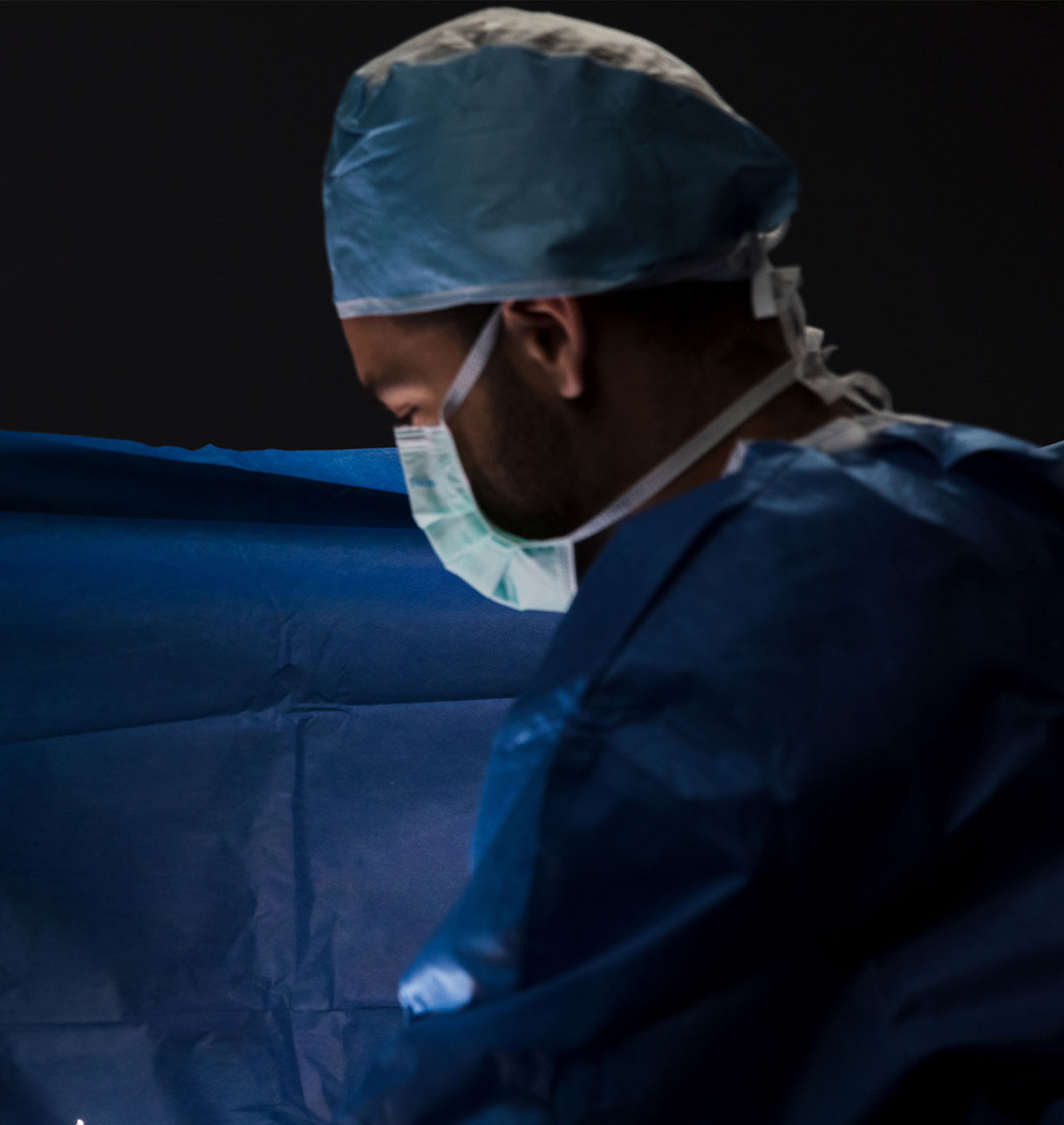

Discover Expert Bariatric Surgery and Minimally Invasive Surgery at Capital Surgeons Group
Get the surgical care you need, close to home. Our surgical team welcomes patients from Lakeway, Leander, Austin, Kyle, and nearby areas.
Call (512) 302-1210
or use our convenient Request an Appointment form
Hernia Surgery FAQ
Meet our Team of Surgeon Specialists
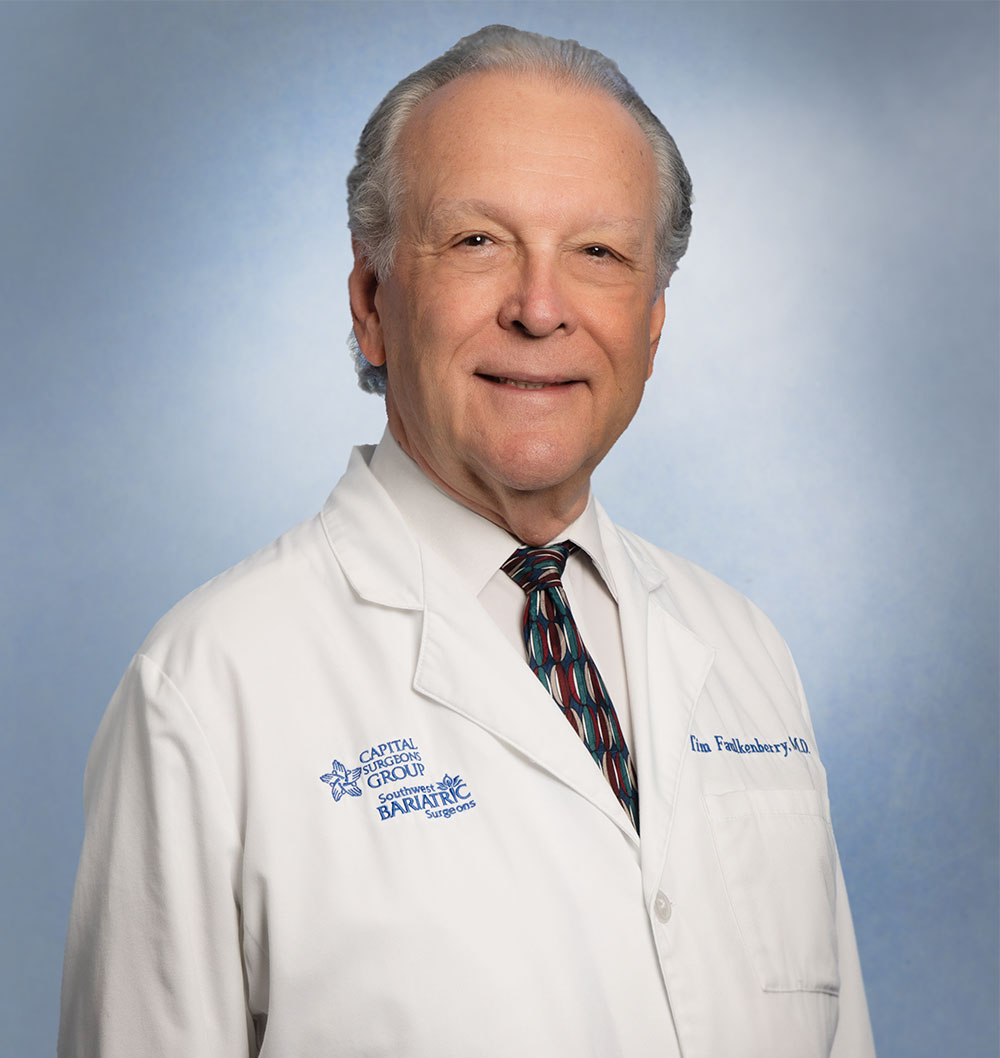
Dr. Tim L. Faulkenberry
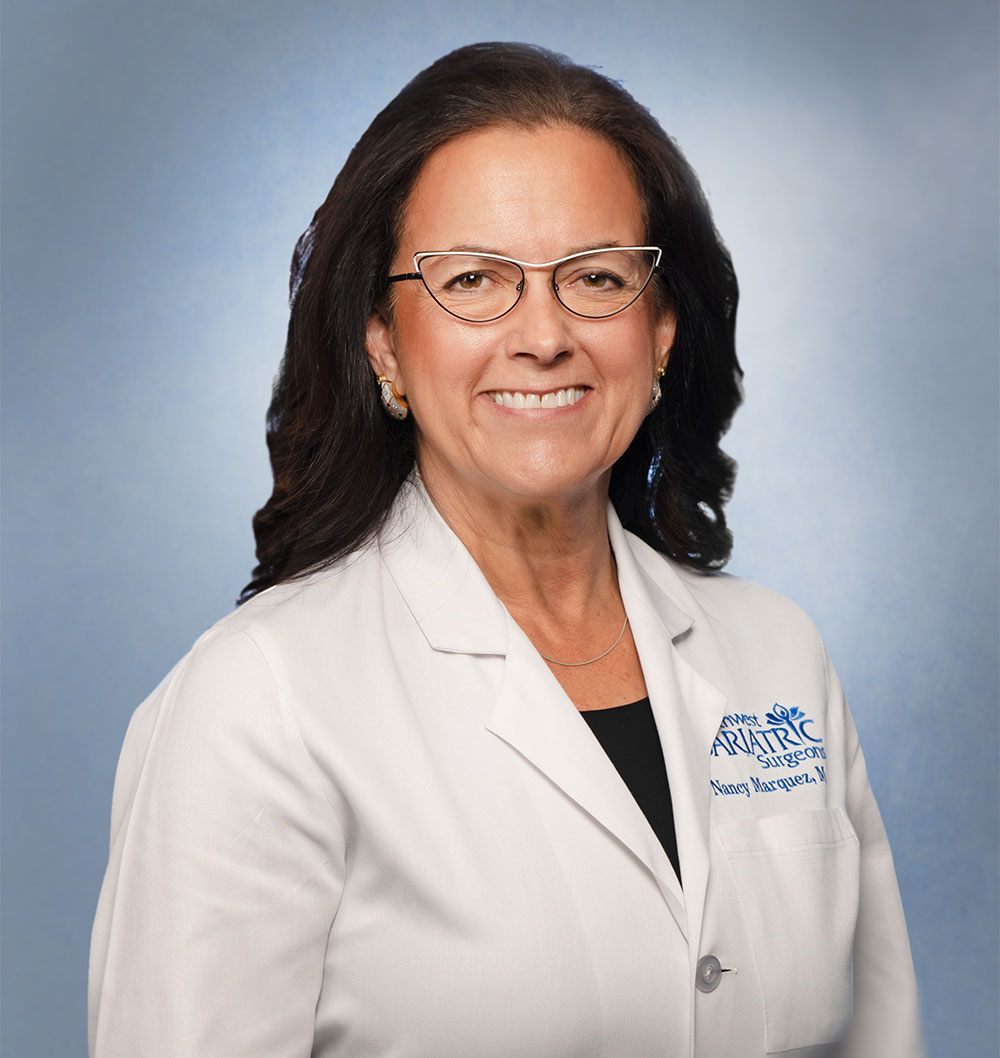
Dr. Nancy G. Marquez
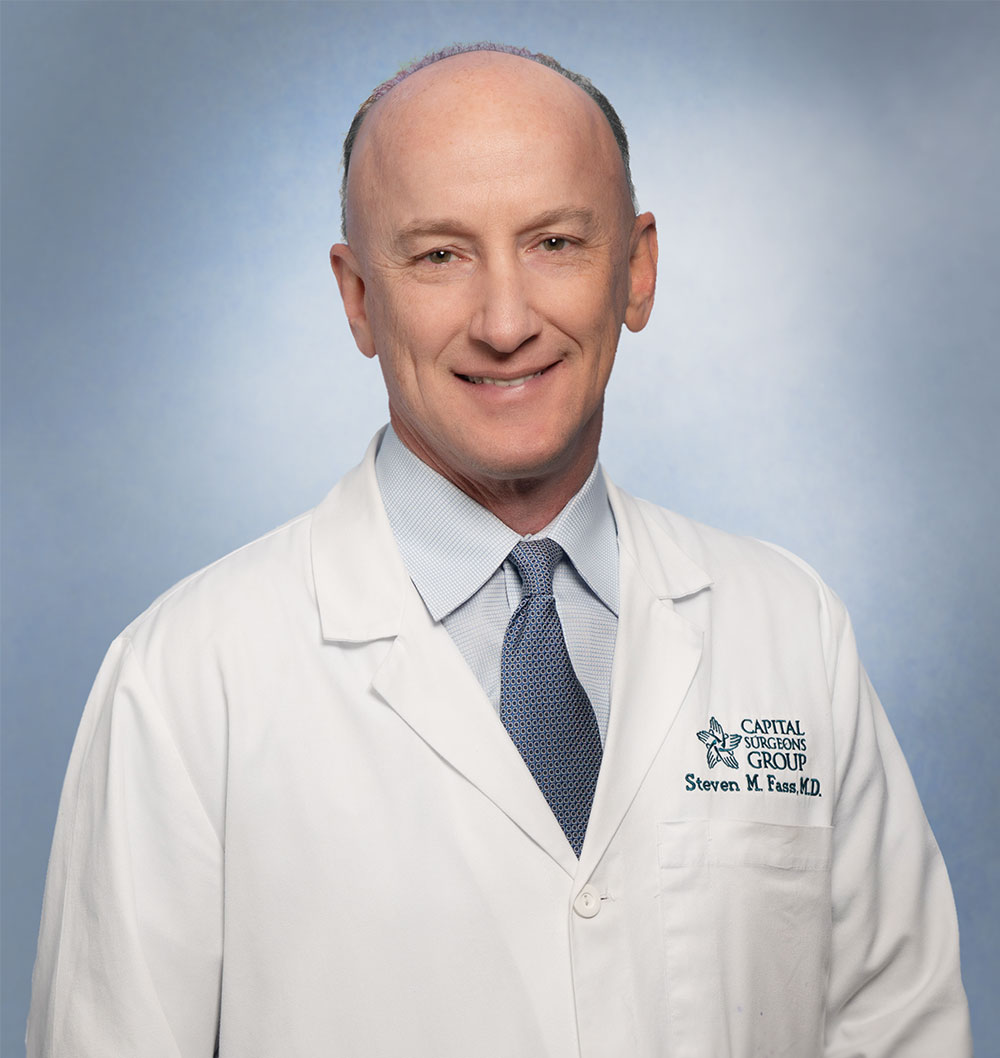
Dr. Steven M. Fass
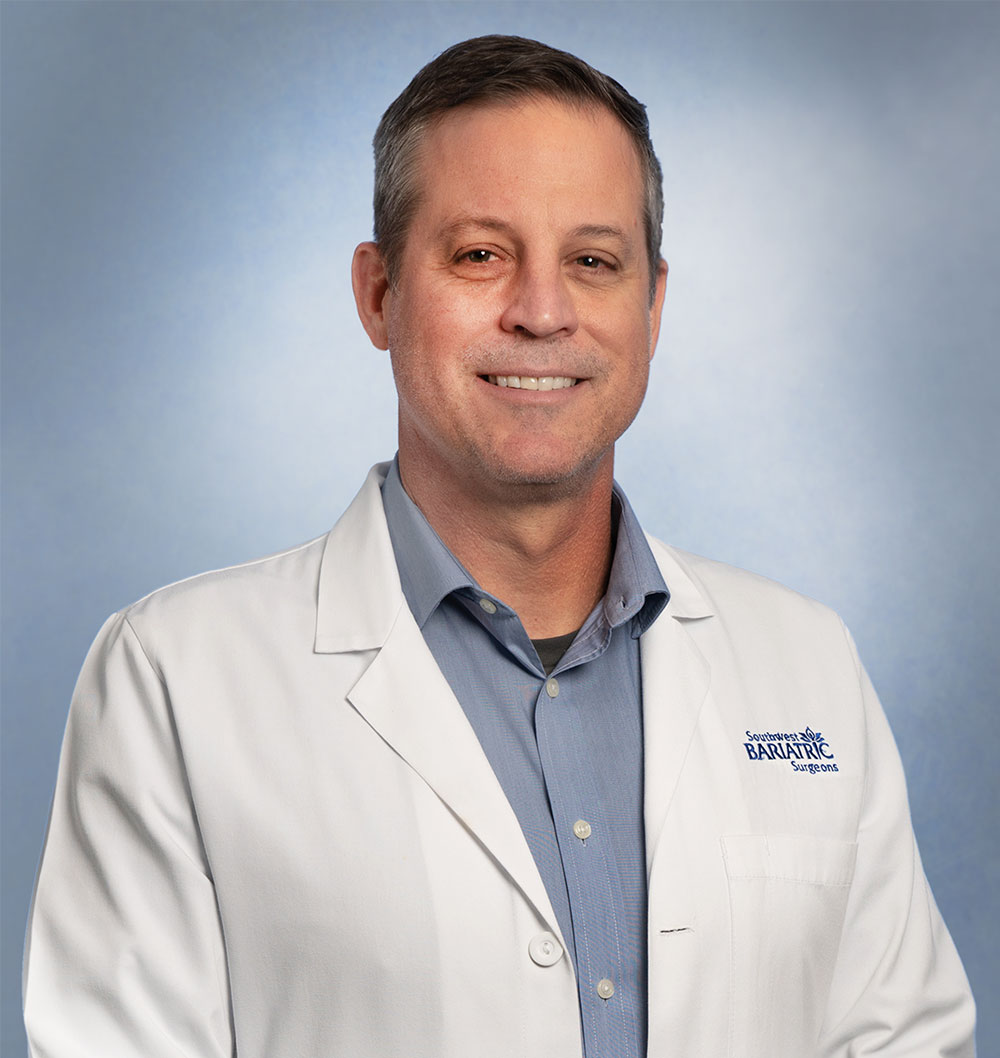
Dr. Eric M. Acheson
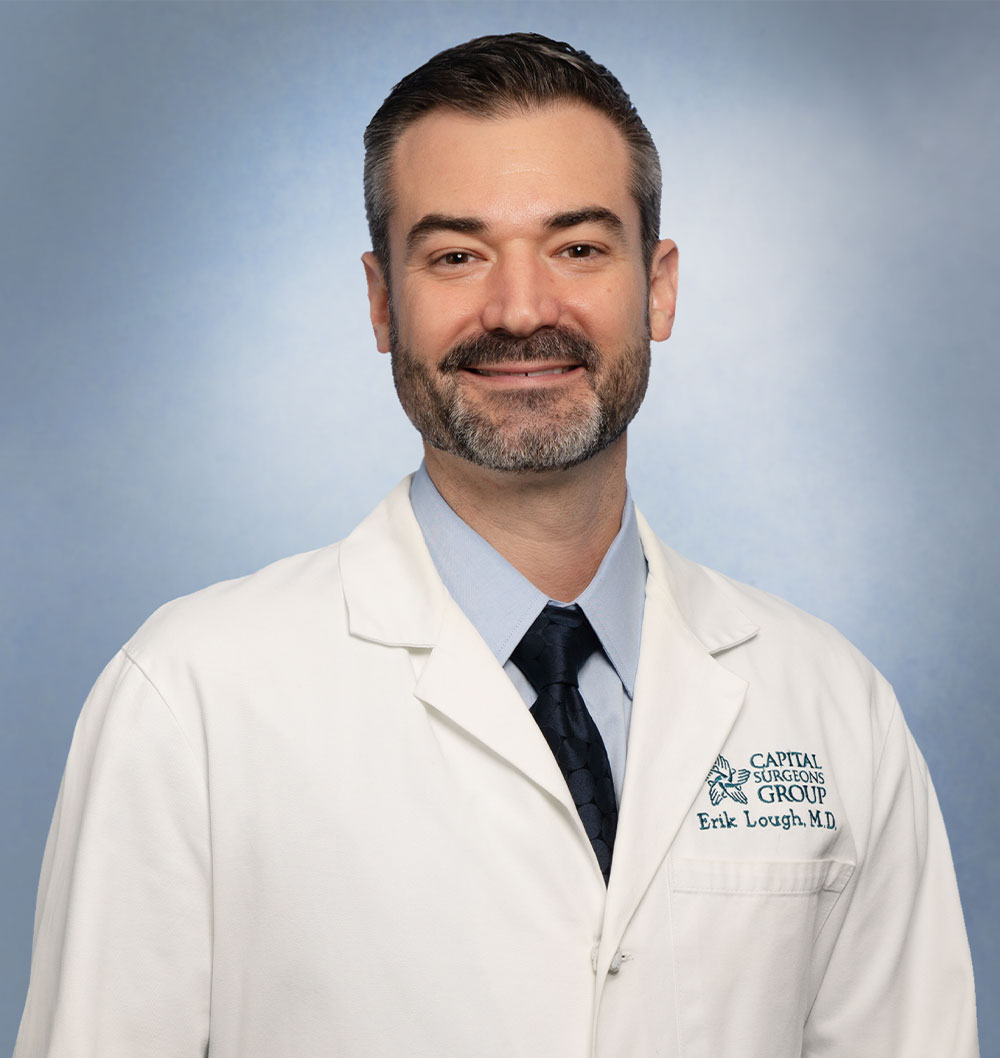
Dr. Erik G. Lough
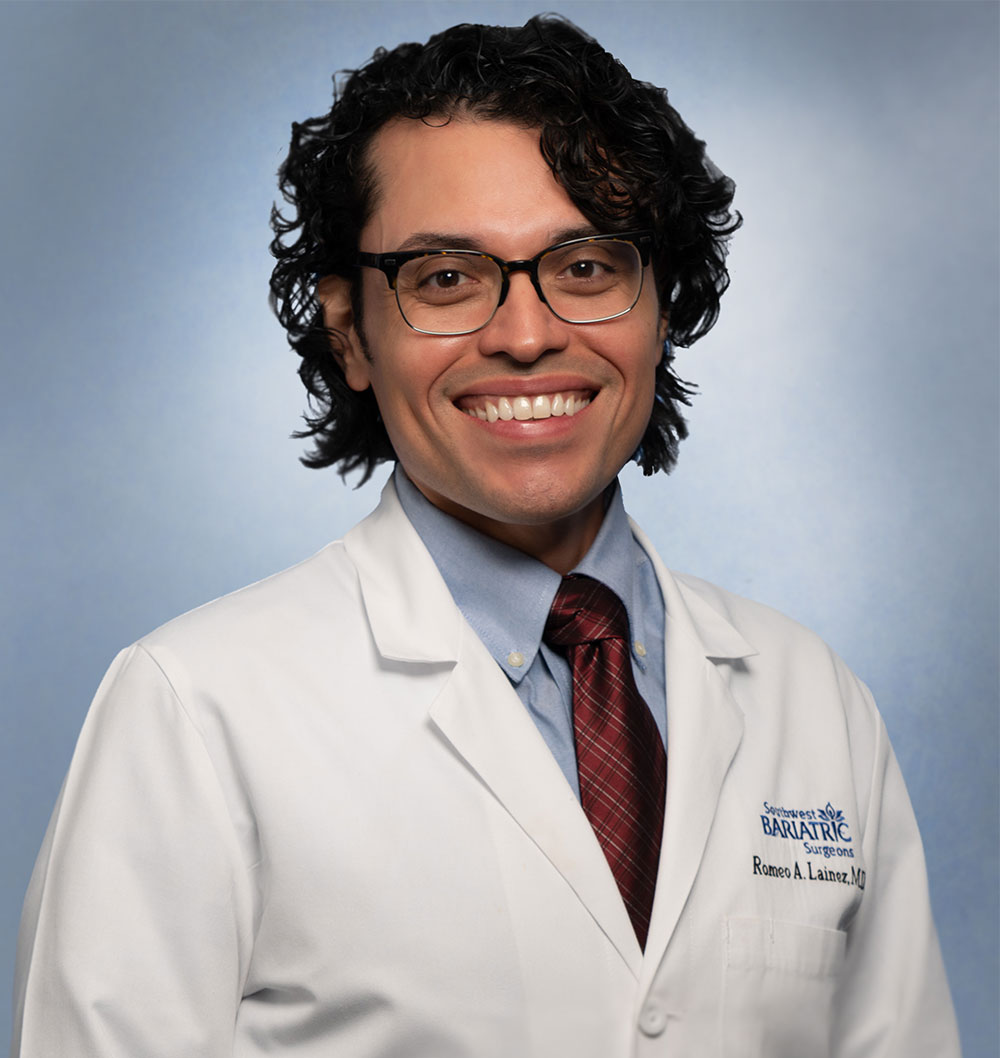
Dr. Romeo A. Lainez
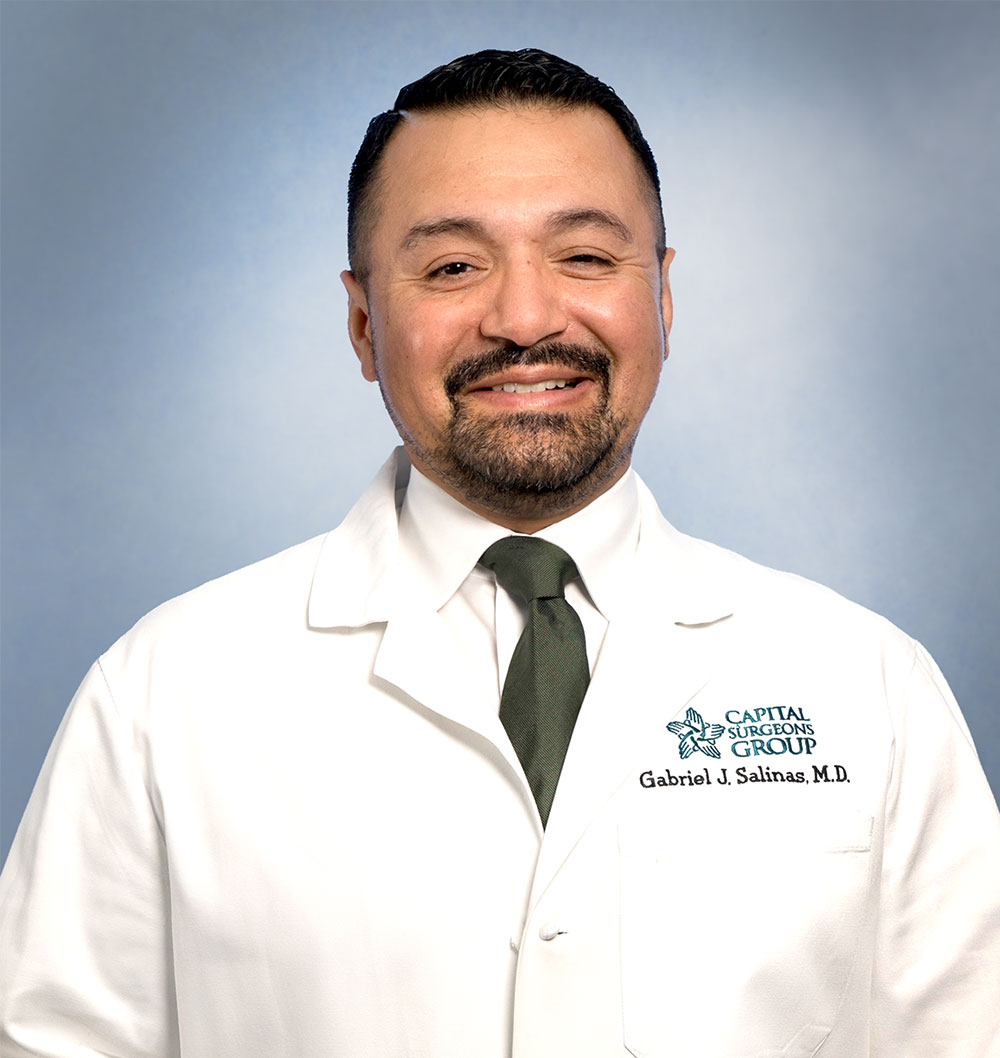
Dr. Gabriel J. Salinas, Jr.
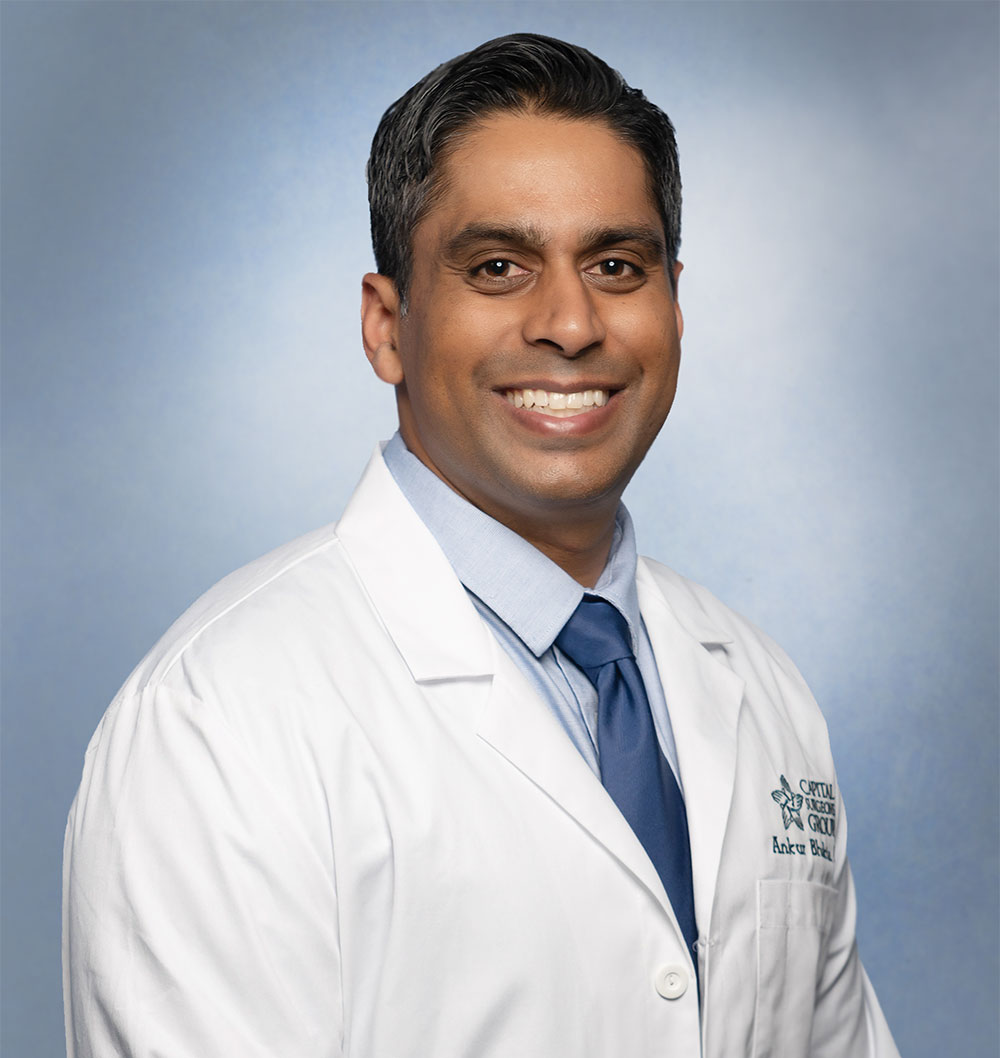
Dr. Ankur P. Bhakta
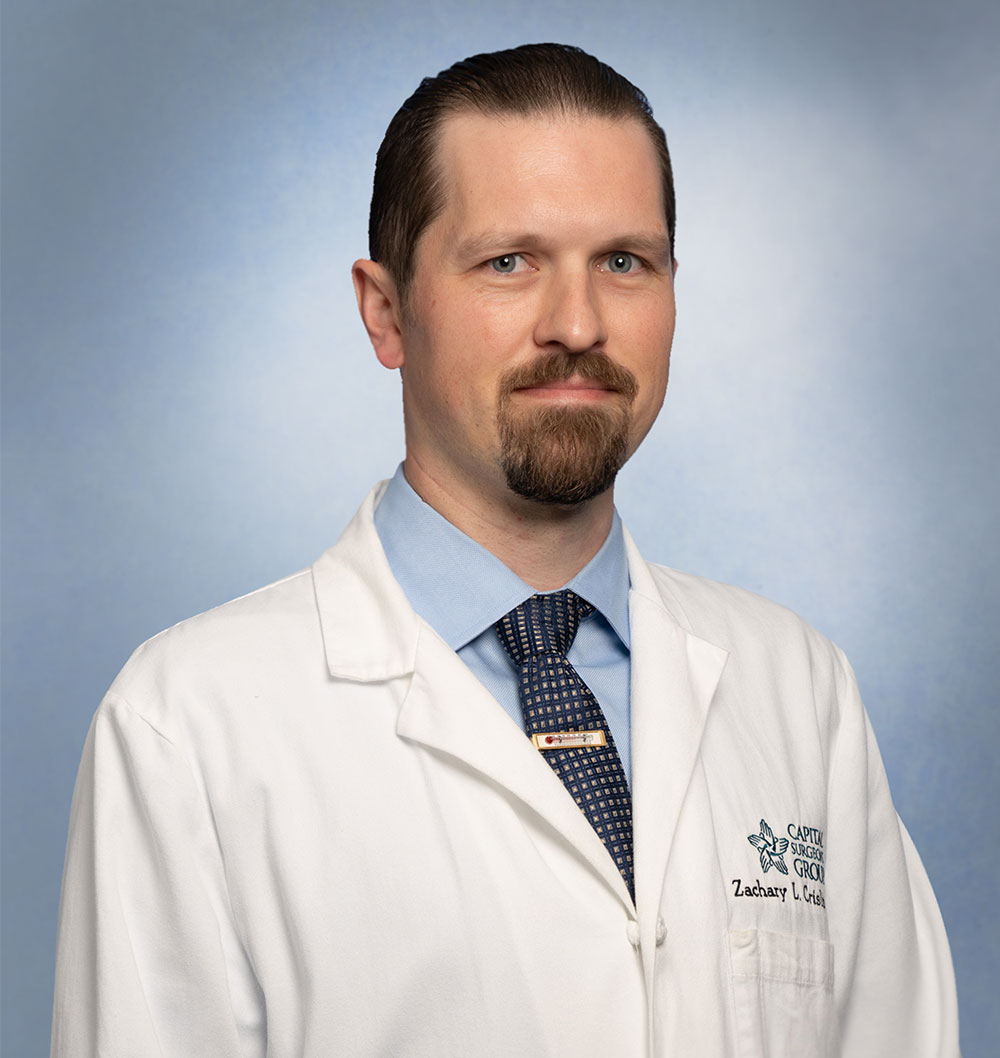
Dr. Zachary L Crislip
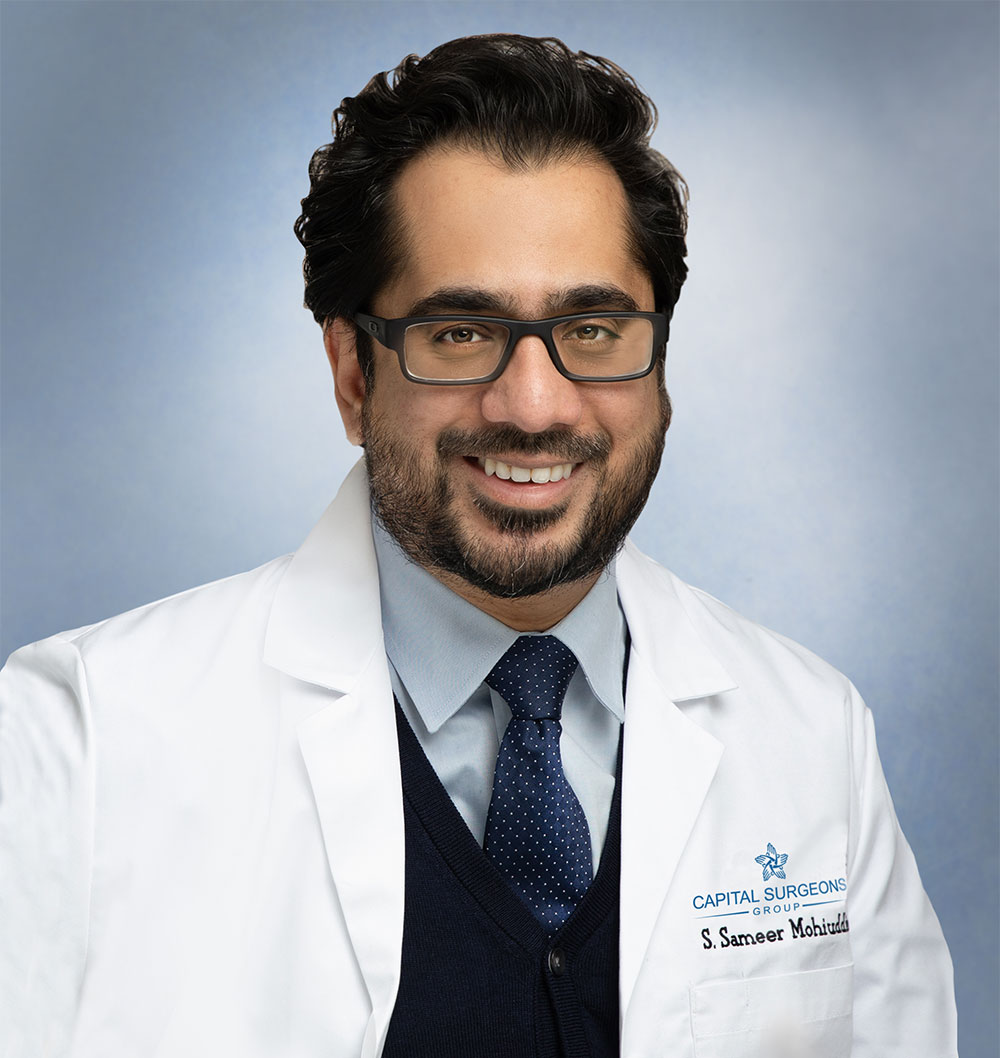
Dr. S. Sameer Mohiuddin
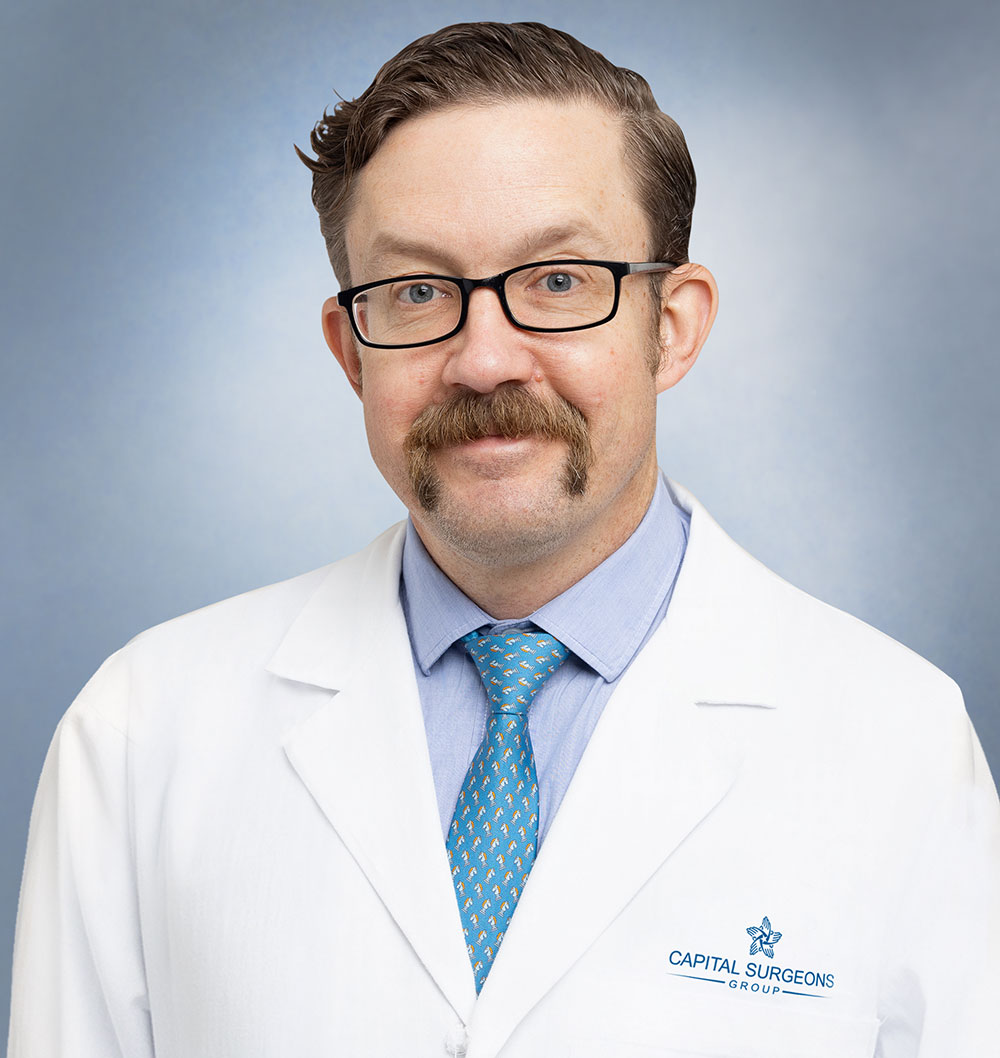
Dr. Jonathan B. Lundy
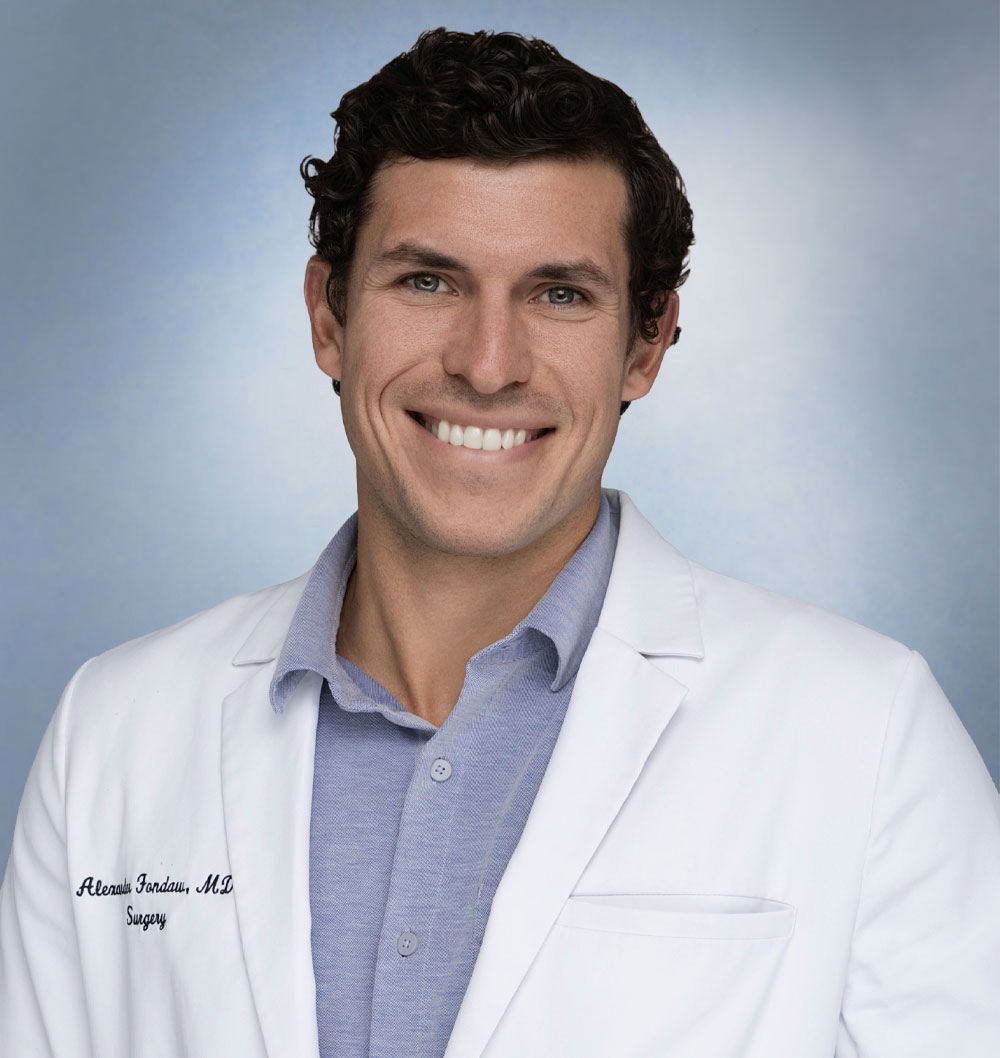
Dr. Alex Fondaw
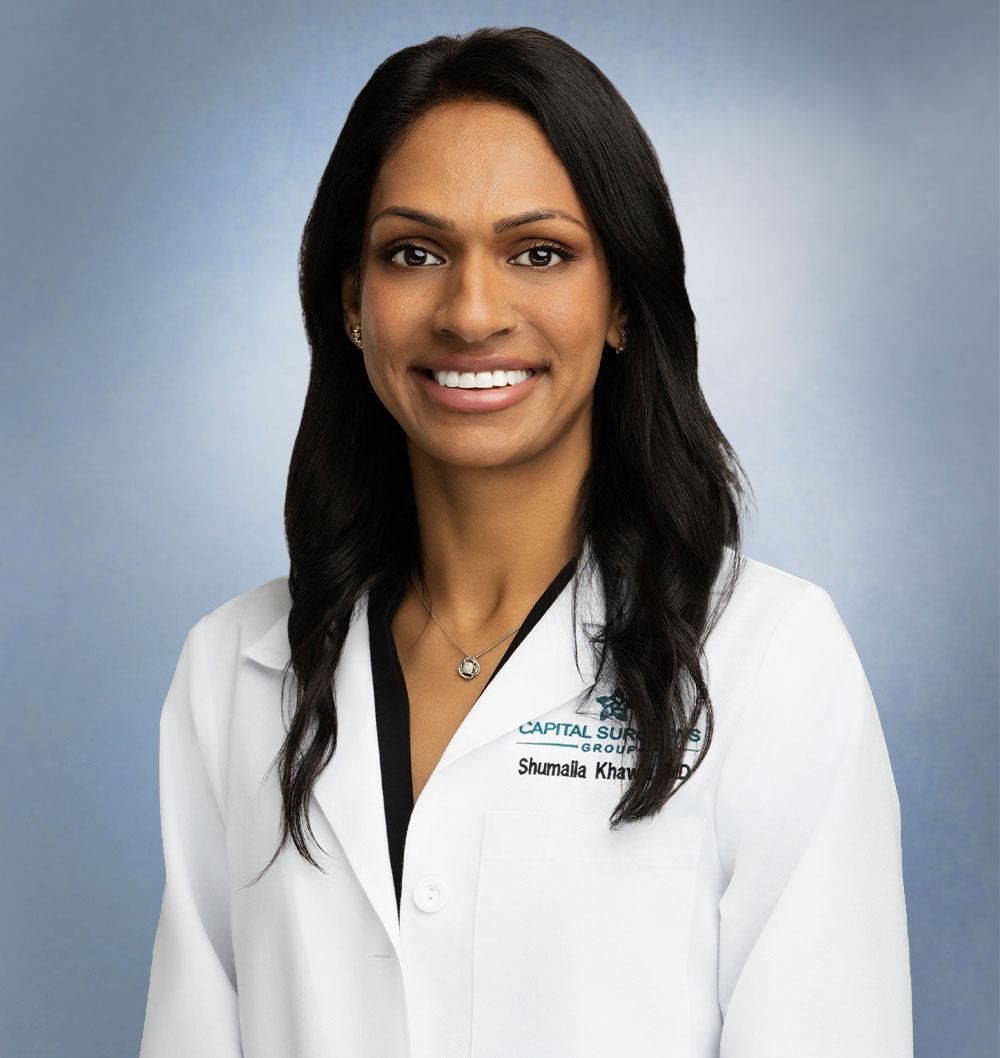
Dr. Shumaila Khawja