
Central Austin
North Austin / Round Rock
South Austin
Bariatric Direct Line
Kyle / Buda

Bariatric Surgery in Austin
Bariatric surgery can be an effective option for patients who need additional support achieving long-term weight loss. At Capital Surgeons Group, surgery is one part of a broader approach to weight loss care that may also include nutrition support, medical weight loss, GLP-1 medications, and endoscopic treatment. Our team works with you to understand your health, goals, and previous treatments and determine whether bariatric surgery may be the right next step.
Is Weight Loss Surgery Right for You?
Obesity is a medical condition that affects approximately one-third of American adults.
Our Program Includes:
- 1
Multiple skilled bariatric surgeons with advanced training in weight loss surgery & follow-up care
- 2
Personalized pre-op & post-op follow-up care
- 3
Always a bariatric surgeon available to care for you
- 4
Surgery at experienced medical centers in Austin, Round Rock & Cedar Park
Because long-term follow-up care is critical for the long-term success of weight loss surgery patients, we consider all patients to be “patients for life.”
Take the 60-Second Assessment
Take our quick 60-second online assessment to see if bariatric surgery may be an option for you.
Real People, Real Results
Hear How Weight Loss Surgery Changed Their Lives
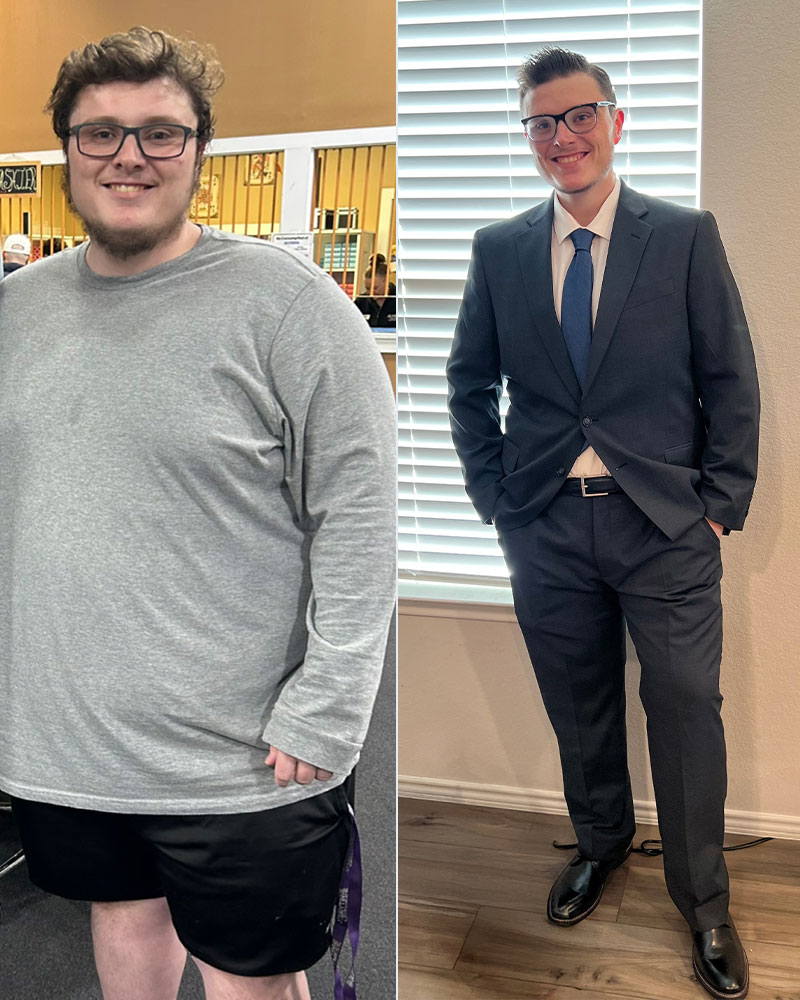
Meet Charles
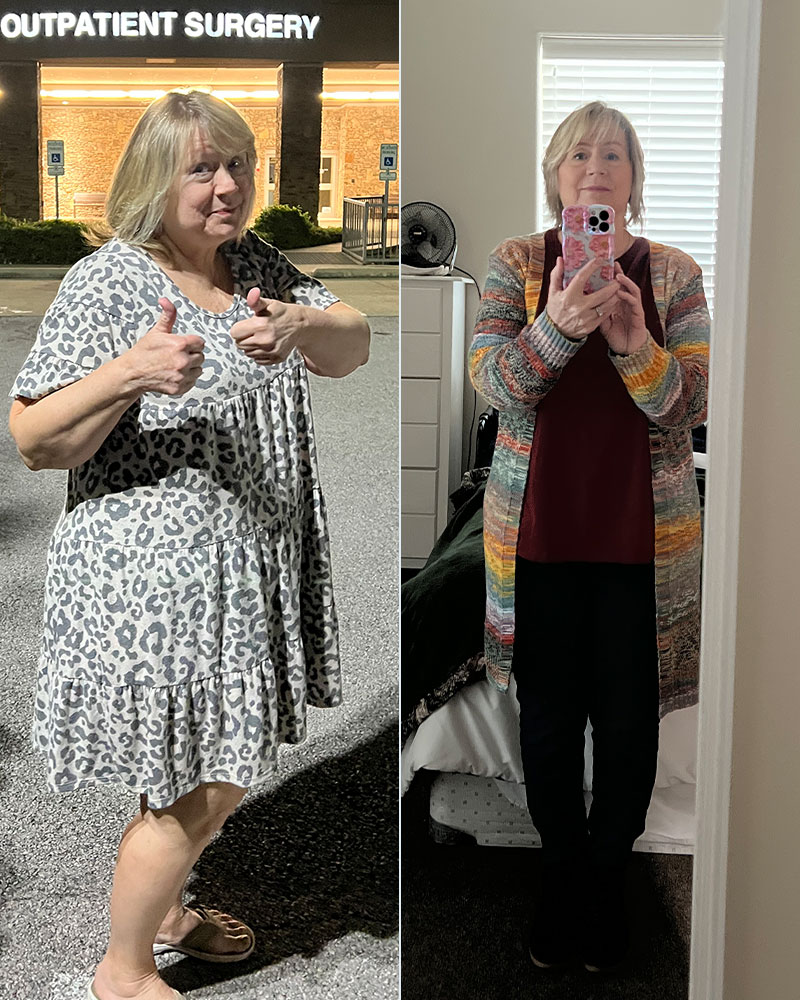
Meet Brenda
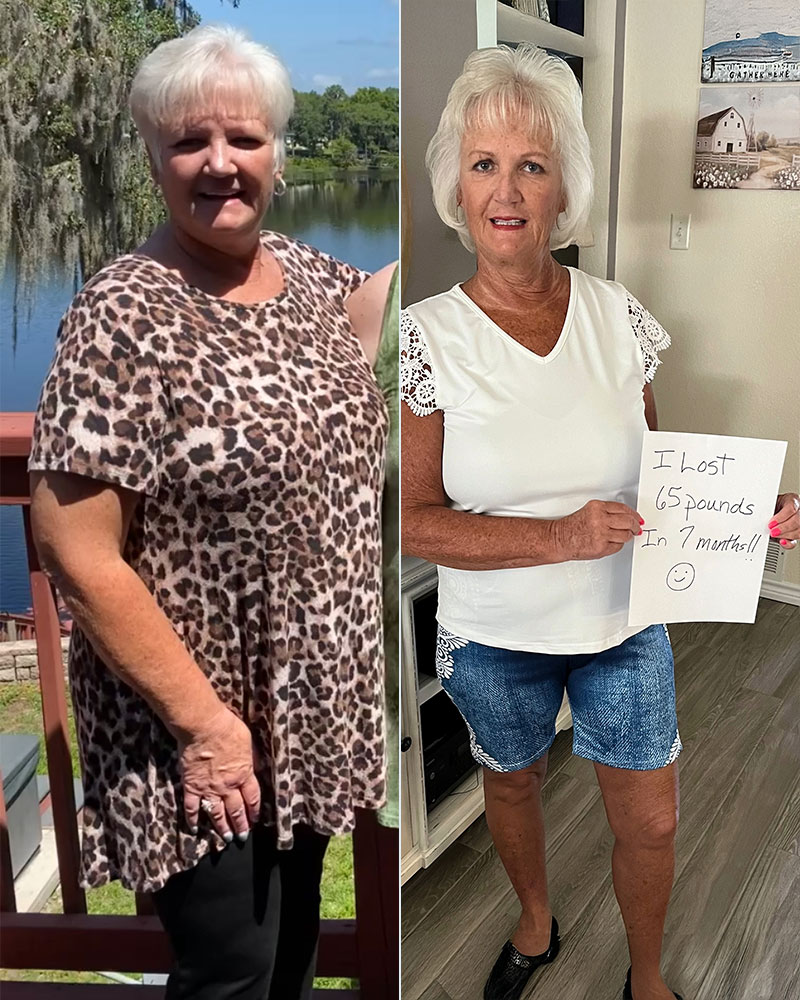
Meet Linda Lee
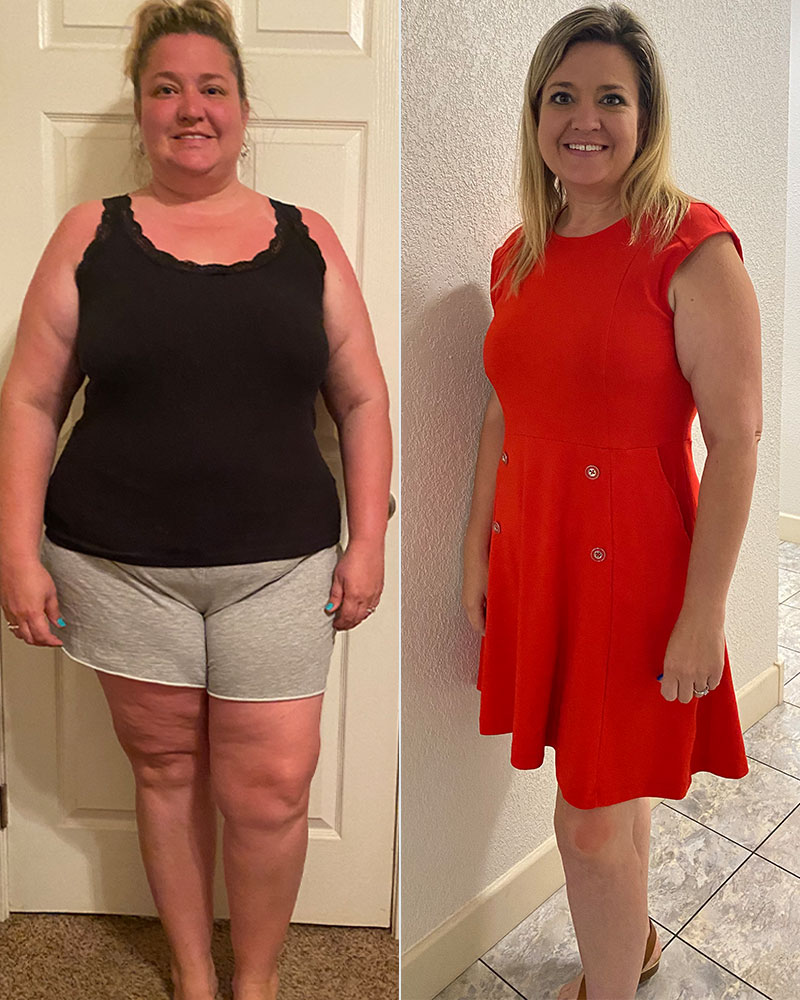
Meet Amanda
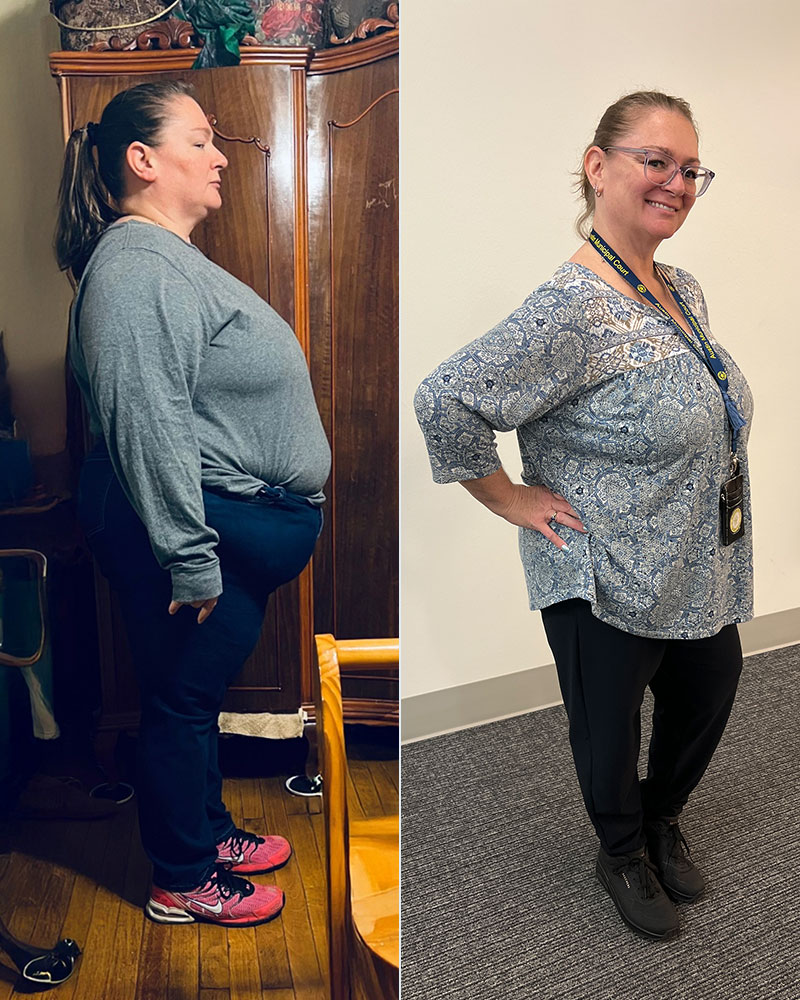
Meet Lissa
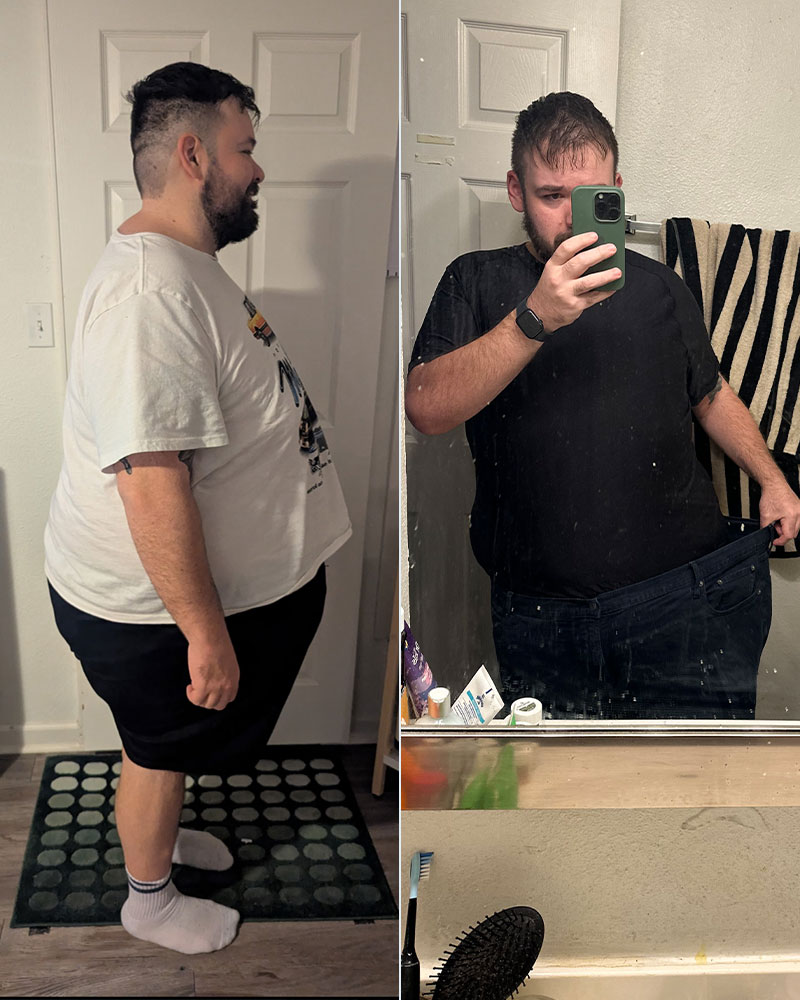
Meet Matt
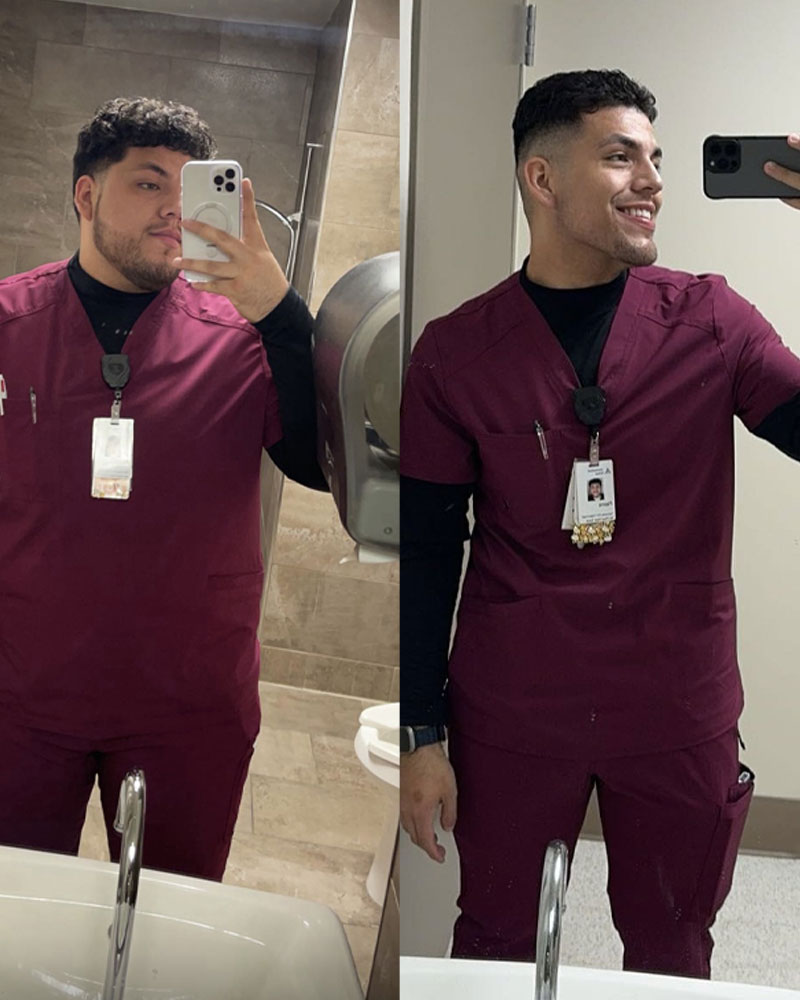
Meet Pierre

Meet Lyndsie

Meet Kara
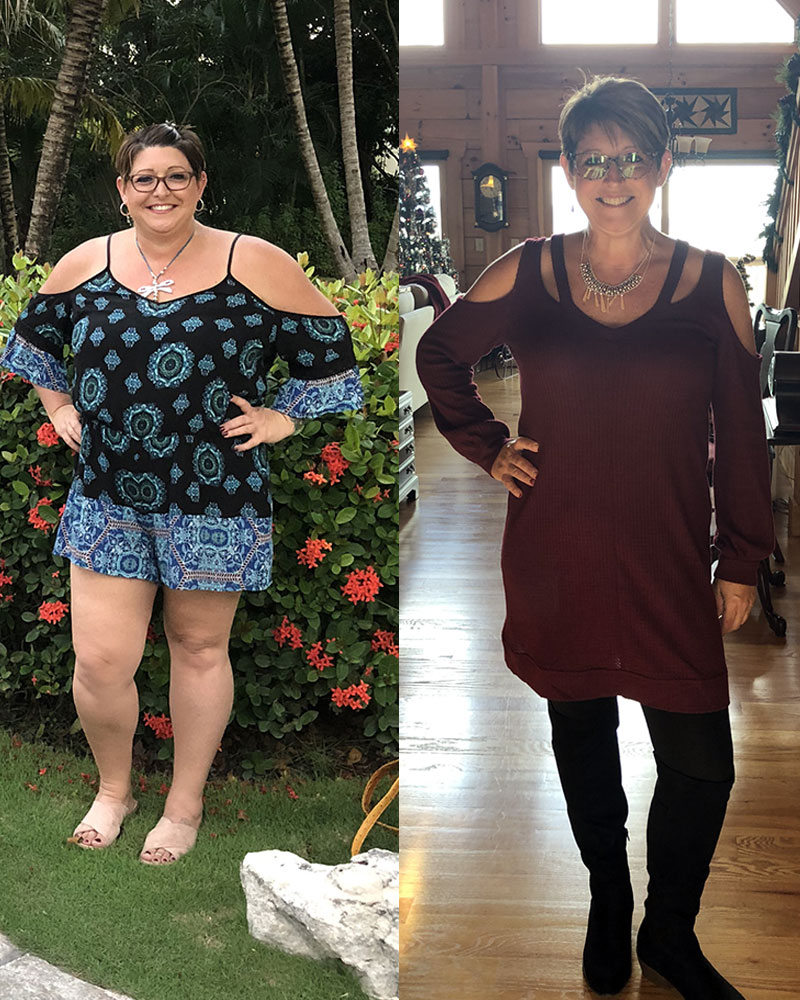
Meet Toni

Meet Anthony

Meet Celeste

Meet Shauntresse
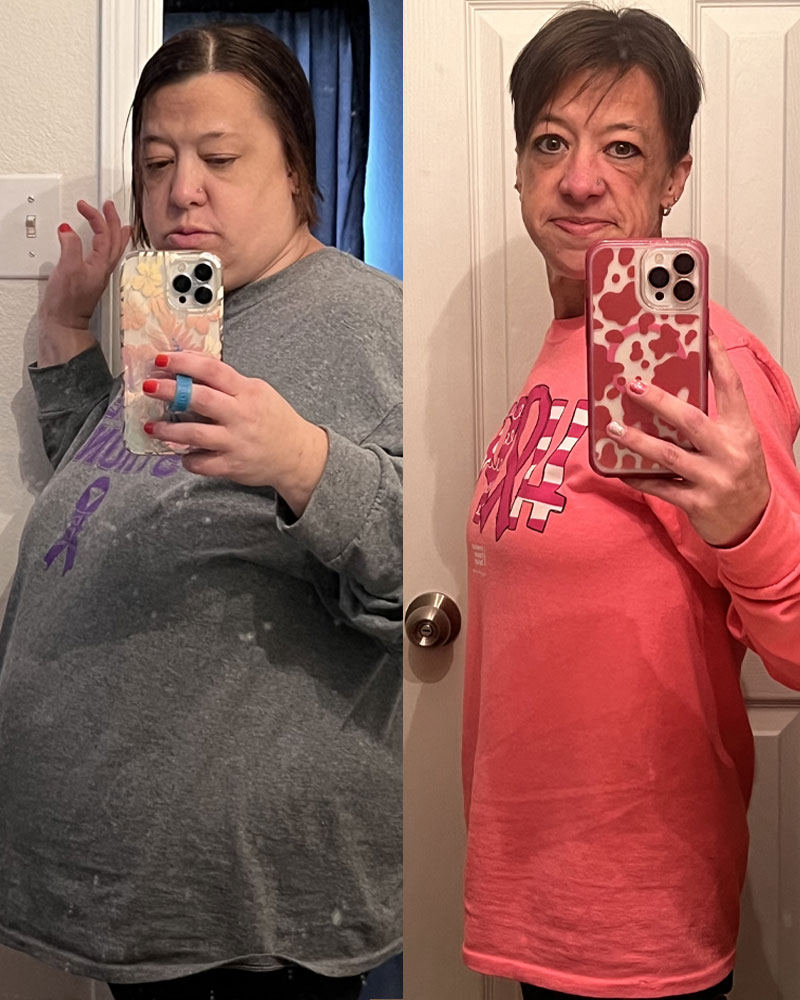
Meet Kimberly
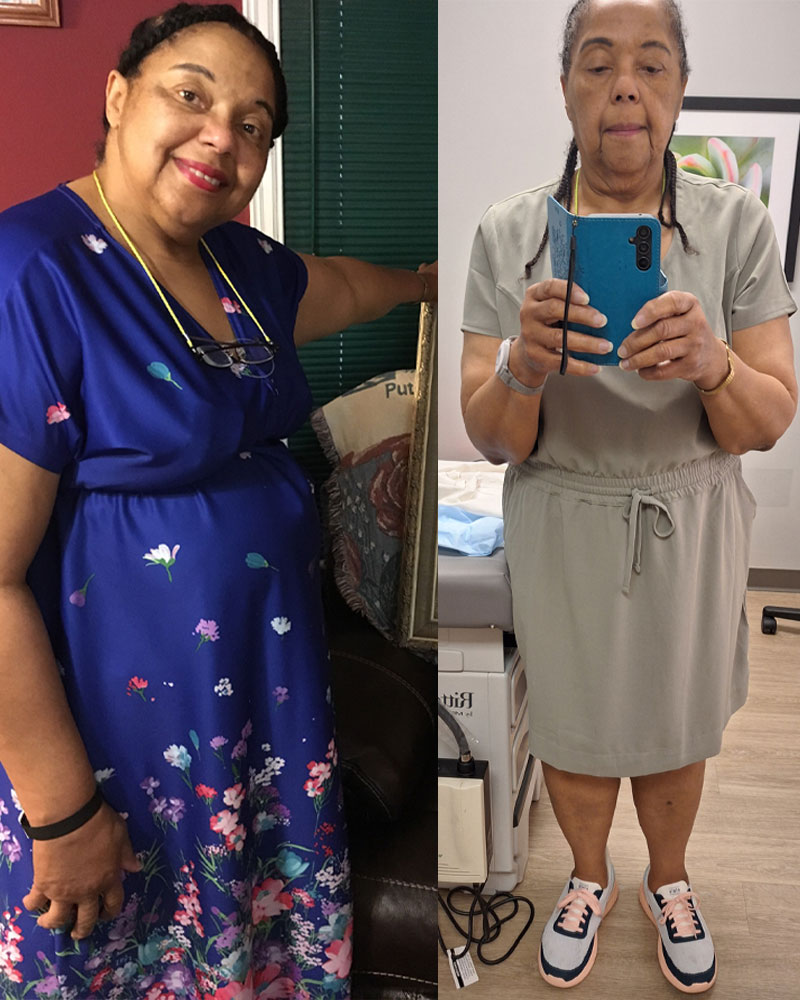
Meet Ola

Meet Elaine

Meet Helga
Bariatric Surgery as Part of Your
Weight Loss Journey
Bariatric Surgery Is One Option Within a Broader Weight Loss Journey
Weight loss can be challenging, and surgery may be an effective option for some patients when other approaches have not provided the results they need.
At Capital Surgeons Group, bariatric surgery is part of a broader comprehensive weight loss approach that may also include nutrition support, medical weight loss, GLP-1 medications, and endoscopic treatment. Our team can help you understand your options and determine whether surgery is the right next step for you.

Wondering If Bariatric Surgery Is Right for You?
Trusted Choice for Bariatric Surgery in Austin
If you are looking for advanced minimally invasive bariatric surgery with experienced surgeons and personalized care, Southwest Bariatric Surgeons, a division of Capital Surgeons Group, provides comprehensive surgical expertise throughout Central Texas.
Now in its third decade of serving Central Texas, our private practice surgical group is distinguished by the breadth and depth of its surgeons’ knowledge and experience. Our surgeons have more than 175 years of combined experience.

Total Bariatric Surgeries
Years of Combined Experience

Trusted, Comprehensive Surgical Care

A Division of Capital Surgeons Group
Bariatric Surgery Procedures
Capital Surgeons Group offers several advanced bariatric procedures designed to help patients achieve sustainable weight loss and improve obesity-related health conditions. Each procedure works differently depending on a patient’s medical history, weight loss goals, and overall health.
We Make the Journey Forward Easy
Compassionate, Expert Surgical Care—Moving You Forward to Health
Bariatric Weight Loss Surgery in Austin
Bariatric surgery is one of several treatment options available for patients seeking long-term weight loss. At Capital Surgeons Group, our bariatric surgeons evaluate your health, goals, and previous weight loss efforts to help determine whether surgery may be appropriate for you.
What is Bariatric Surgery?
Bariatric surgery is a surgical procedure designed to help people who are struggling with obesity lose weight. The surgery works by reducing the size of the stomach, restricting the amount of food that can be consumed, and altering the digestive process.
Types of Bariatric Surgery
There are several types of bariatric surgery, including:
- Gastric bypass surgery: In this procedure, a small stomach pouch is created and the small intestine is rerouted to bypass a portion of the digestive tract. This results in less food intake and decreased calorie absorption. Learn more about gastric bypass surgery.
- Sleeve gastrectomy: This procedure involves removing a portion of the stomach, creating a smaller stomach pouch and reducing the amount of food that can be consumed. Learn more about sleeve gastrectomy surgery.
- Adjustable gastric banding removal: This procedure involves removing the gastric band from the stomach, often with a revision to either gastric sleeve or gastric bypass in the same procedure.
- Duodenal switch surgery: This procedure involves both restriction and malabsorption to achieve weight loss. It involves creating a gastric sleeve and reconnecting the small intestine to reduce the absorption of calories and nutrients.
- Bariatric revision surgery: These procedures are performed for patients who previously had weight loss surgery and require additional surgical correction. Learn more about bariatric revision surgery.
Benefits of Bariatric Surgery
Bariatric surgery offers several benefits to patients struggling with obesity, including:
- Significant weight loss: Bariatric surgery can result in significant weight loss, leading to improved health outcomes.
- Improved health: Weight loss surgery can improve or even resolve many obesity-related health issues, such as diabetes, high blood pressure, and sleep apnea.
- Improved quality of life: Patients often report improved quality of life, including increased energy, improved mobility, and a better overall sense of well-being.
For appropriately selected patients, bariatric surgery can support significant weight loss and improvements in obesity-related health conditions and quality of life. Learn more about “The Many Benefits of Weight Loss Surgery“.
Health Conditions Bariatric Surgery Can Improve
Bariatric surgery is often recommended for patients with severe obesity and related health conditions. Significant weight loss after surgery can improve or even resolve several chronic medical issues.
Conditions commonly improved by bariatric surgery include:
- Type 2 diabetes
- High blood pressure (hypertension)
- Sleep apnea
- High cholesterol
- Joint pain and mobility limitations
- Fatty liver disease
Many patients also experience improved energy levels, increased mobility, and a better overall quality of life following successful weight loss surgery.
How Much Weight Can You Lose After Bariatric Surgery?
Weight loss results vary depending on the type of bariatric procedure, your starting weight, overall health, and long-term lifestyle habits. Many patients experience substantial weight loss during the first year after surgery, with continued results depending on nutrition, physical activity, and ongoing follow-up care.
Results may include:
- Significant and sustained weight loss
- Improvement in obesity-related health conditions
- Increased mobility and improved quality of life
Long-term success depends on maintaining healthy eating habits, physical activity, and ongoing follow-up care with your bariatric team.
Am I a Candidate for Bariatric (Weight Loss) Surgery?
Bariatric surgery may be appropriate for patients based on BMI, overall health, obesity-related conditions, previous weight loss efforts, and other individual factors.
Typical candidates may include people who:
- Have a BMI of 35 or higher
- Have type 2 diabetes and a BMI of 30 or higher
- Have a BMI of 30–34.9 and have not achieved substantial or lasting weight loss or improvement in obesity-related health conditions with non-surgical treatment
- Are medically evaluated and considered appropriate for bariatric surgery
- Are prepared to make long-term lifestyle changes and participate in ongoing follow-up care
Bariatric surgery, or weight loss surgery, is a complex decision that should be made on a case-by-case basis. Healthcare professionals at Capital Surgeons Group consider many factors, including BMI, weight loss attempts, obesity-related health issues, psychological well-being, commitment to lifestyle changes, understanding of the procedure, age, social support, overall health, expectations, smoking status, and consultation with a bariatric team.
It is important to remember that weight loss surgery is a significant step with both potential benefits and risks. Careful consideration and professional guidance are essential in making this decision.
Review the key points that make a person a good candidate for weight loss surgery and see if you qualify.
What to do to Prepare for Weight Loss Surgery
Preparing for weight loss surgery takes careful planning and commitment. It involves more than scheduling a procedure; patients may need to make important lifestyle changes before surgery and understand what to expect during recovery.
Preparation may include learning about the procedure, reviewing potential risks and benefits, following nutrition and activity guidance, and completing any required medical evaluations.
Learn more about “What to Do to Prepare for Weight Loss Surgery.”
What to Expect Before, During, and After Bariatric Surgery
Before surgery, patients undergo a comprehensive medical evaluation to determine whether bariatric surgery is appropriate for them. Patients may also need to make lifestyle changes, such as quitting smoking, improving nutrition, and increasing physical activity. Our registered dietitian provides education about life after bariatric surgery, including preoperative nutrition and postoperative diet progression.
During surgery, patients receive general anesthesia, and the surgeon typically performs the procedure through small incisions in the abdomen.
After surgery, patients follow a structured nutrition and activity plan and attend regular follow-up appointments to monitor progress, recovery, and long-term health.
Does Insurance Cover Bariatric Surgery?
Many insurance plans cover bariatric surgery for patients who meet their plan’s medical criteria. Coverage and eligibility requirements vary by insurance plan and may include BMI criteria, obesity-related health conditions, documentation of previous weight-loss efforts, and medical evaluation by a bariatric specialist.
Our team helps patients understand insurance requirements, navigate pre-authorization, and determine eligibility for weight loss surgery coverage.
If you are unsure whether your insurance covers bariatric surgery, our staff can help review your benefits and guide you through the process. You can also review additional details about insurance, referrals, and preparation requirements on our Patient Information page.
Patients for Life
Because long-term follow-up care is important to the success of weight loss surgery, Southwest Bariatric Surgeons considers all patients to be “patients for life.” We are committed to providing ongoing care after surgery, addressing concerns that may arise, and monitoring your health and progress over time.
Patients continue to receive follow-up with their bariatric care team before and after surgery to support long-term health and weight loss success.
Bariatric Surgery Frequently Asked Questions
Meet our Team of Weight Loss Surgeon Specialists
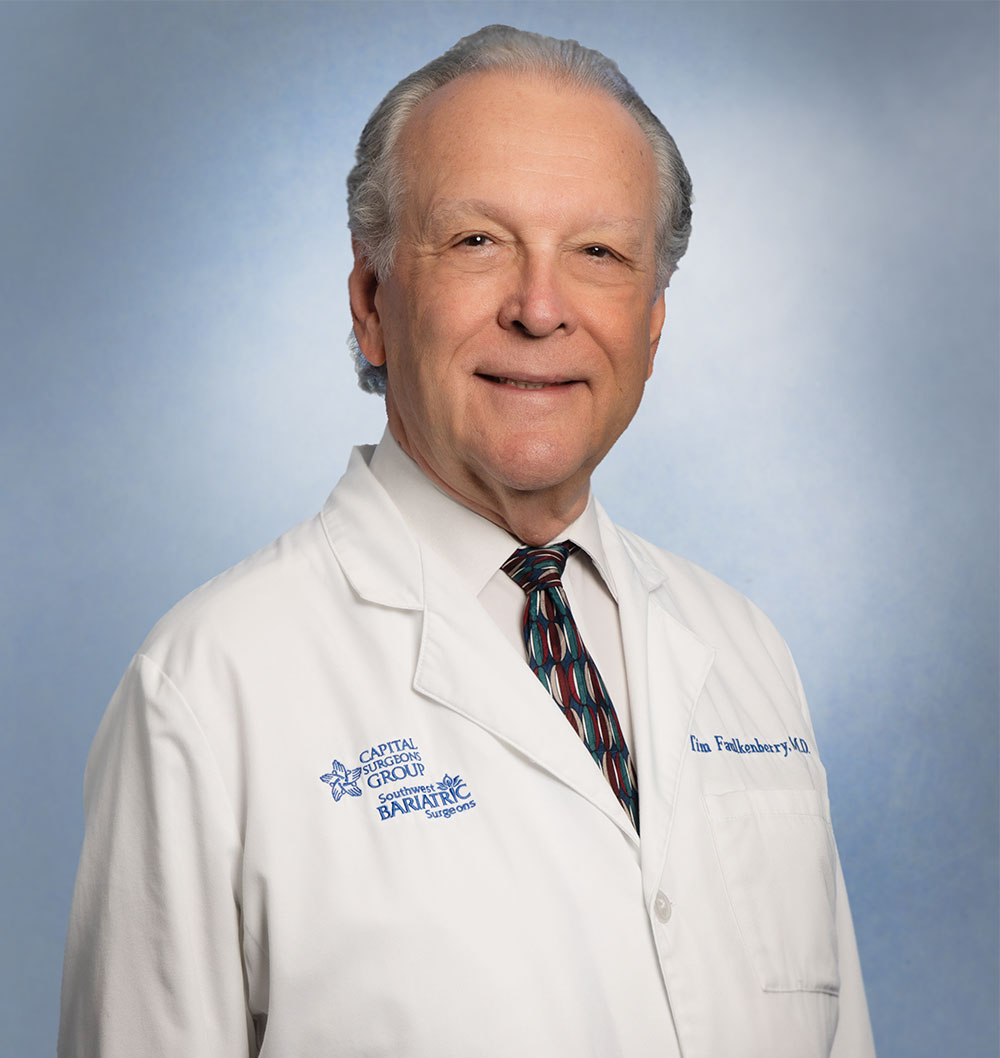
Dr. Tim L. Faulkenberry

Dr. Nancy G. Marquez
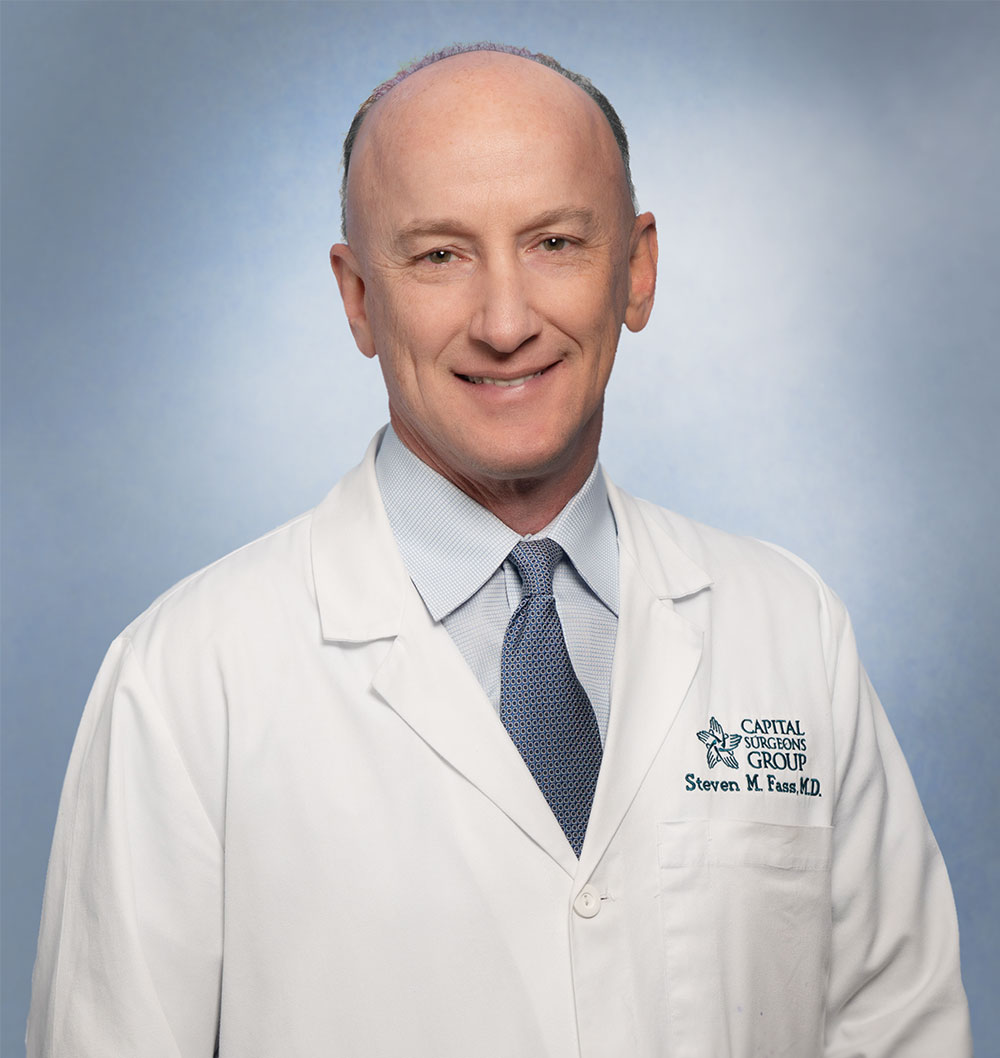
Dr. Steven M. Fass

Dr. Eric M. Acheson

Dr. Erik G. Lough

Dr. Romeo A. Lainez

Dr. Gabriel J. Salinas, Jr.

Dr. S. Sameer Mohiuddin

Dr. Alex Fondaw
Specialized, Expert Surgical Care
If you are struggling with obesity and are interested in learning more about sleeve gastrectomy, contact us today today to schedule a consultation with one of our experienced surgeons. We are here to help you on your weight loss journey and improve your overall health and well-being.


Discover Expert Bariatric Surgery and Minimally Invasive Surgery at Capital Surgeons Group
Get the surgical care you need, close to home. Our surgical team welcomes patients from Lakeway, Leander, Austin, Kyle, and nearby areas.
Call (512) 302-1210
or use our convenient Request an Appointment form
Have Questions About Your Weight Loss Options?
Tell us a little about what you’re looking for, and our team can help you understand the weight loss options available and determine the right next step.
Disclaimer:
By providing your phone number to Capital Surgeons Group, PLLC, you hereby acknowledge and agree that we may send text messages to your wireless phone number for various purposes. Please note that message and data rates may apply. Message frequency will vary, and you retain the right to Opt-out by simply replying “STOP.” For a detailed understanding of how we handle your data, please refer to our Privacy Policy and Terms and Conditions.